
Island Mountain builds on-premise AI inference hardware for regulated industries and private households. Every unit ships with Lamprey MAI - our proprietary local interface layer, built from the ground up as a permanent, subscription-free AI operating system. Hardware gets us into buildings and homes. Lamprey MAI is what stays.
Schedule a Conversation48.6% of raise goes directly into GPU inventory - hard assets with active secondary market resale value. Not salaries. Not overhead.
Cloud AI has a hard legal wall problem. HIPAA. ITAR. Attorney-client privilege. Tribal data sovereignty frameworks - OCAP principles, tribal gaming compact restrictions, sovereign government data governance mandates. These aren't preferences an organization can waive. They're legal prohibitions with criminal penalties for non-compliance. Every query sent to OpenAI, Claude, Gemini, or any cloud inference provider by an entity in these verticals is a compliance event waiting to become a liability.
The organizations that need AI most are the ones the cloud AI market cannot legally serve.
Enterprise vendors solve this for Fortune 500 companies at $1M and up. DIY builders offer no warranty, no burn-in, no compliance documentation, no support. The $75K to $400K mid-market - tribal governments, regional law firms, independent medical groups, mid-tier defense contractors - has no turnkey solution. That's the gap Island Mountain was built to occupy, and it's not a small gap. There are 574 federally recognized tribal nations in the United States alone. There are over 400,000 law firms. There are 6,100 hospitals and tens of thousands of independent medical practices. Every single one of them is watching their competitors deploy AI and asking the same question: how do we do this without violating our compliance obligations?
The answer they need is a rack in their building. We build that rack.
Hardware is the entry point. Lamprey MAI is the reason this company compounds.
Every Island Mountain unit - Summit enterprise rack and Landfall household server - ships with Lamprey MAI, our proprietary local interface layer. In its current form, Lamprey MAI is a localized AI operating environment: curated system prompts, private model management, a clean family- and organization-grade interface running entirely on hardware you own. No data leaves the machine. No query is logged externally. No third party ever processes what runs through it.
That's the foundation. What it's becoming is larger.
Lamprey MAI is being built as the iOS of sovereign AI - a local operating system that sits between the user and the model, manages the full stack of AI interactions across an organization or household, and evolves through local update packages rather than cloud dependency. The hardware sale seeds the distribution. Lamprey MAI is what deepens the relationship, generates recurring update revenue, and builds the defensible platform moat that pure hardware companies never achieve.
When Apple sold the first iPhone, they were selling hardware. What they were building was a platform that would define a trillion-dollar ecosystem for the next two decades. Island Mountain's hardware is the device. Lamprey MAI is the operating system. The regulated industry and consumer privacy markets are the ecosystem.
Local AI Operating System Layer
Enterprise Racks
$75,000 - $400,000Household Servers
$8,500 - $18,000
Lamprey MAI - Software Platform
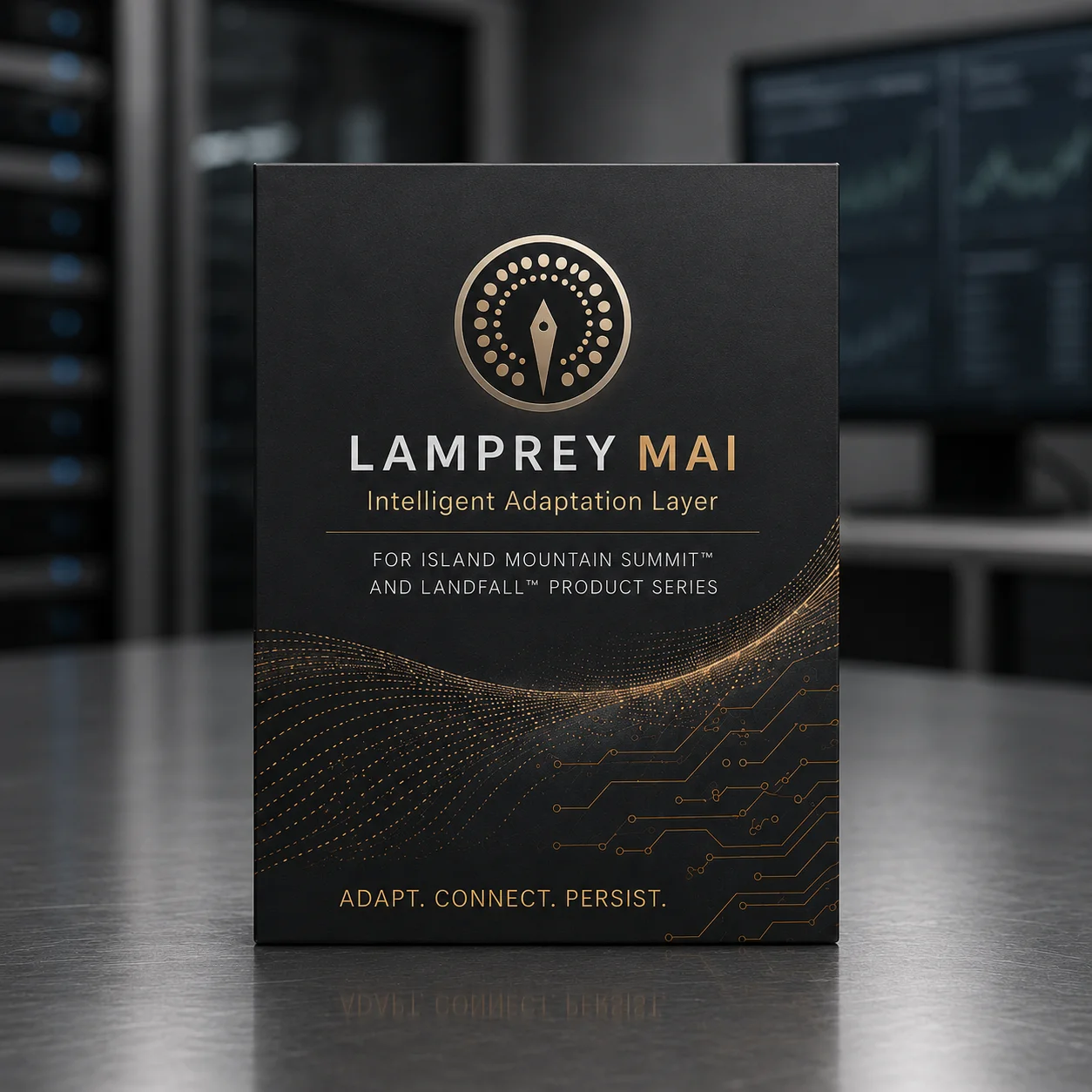
Adapt. Connect. Persist.
Turnkey, rack-ready AI inference servers for organizations with hard compliance mandates and institutional budgets. Three tiers span the regulated mid-market from law firm to defense contractor to tribal government. Every Summit unit ships with Ubuntu Server, vLLM inference engine, Open WebUI, and frontier open-weight models pre-loaded. 72-hour burn-in tested. 1-year hardware warranty. Full GPU provenance documentation for compliance and audit purposes.
The Landfall Series brings Island Mountain's build quality, burn-testing, and Lamprey MAI software stack to individual professionals, privacy-focused families, and high-net-worth households who refuse to rent their intelligence from a cloud subscription. Three tiers. One-time purchase. No token fees. No subscription price hikes. No third party ever reads what your family asks.
Pre-orders are live now at islandmountain.io/landfall-preorder.html. No payment collected at reservation. 20% deposit secures build slot.
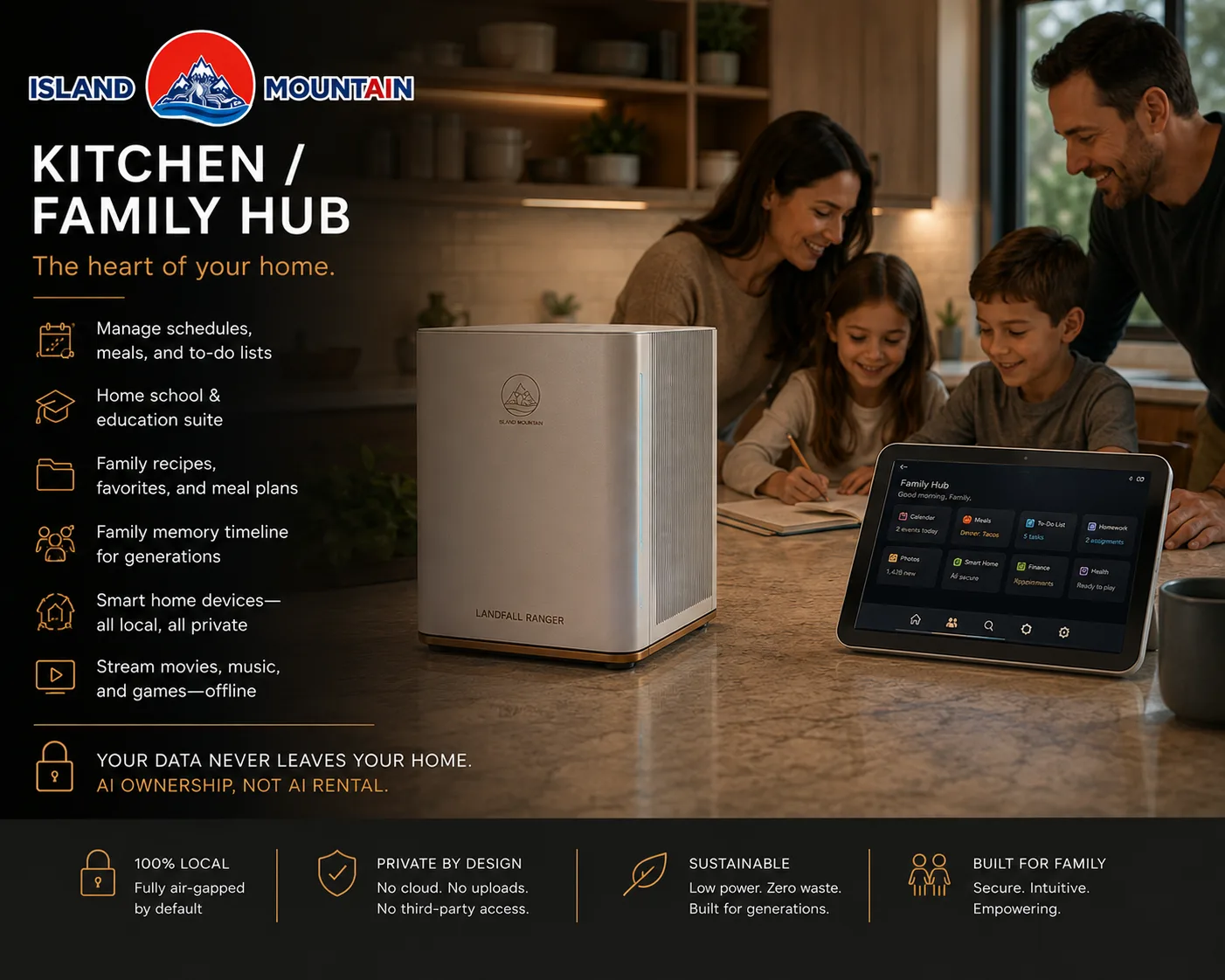
Ranger - Kitchen / Family Hub
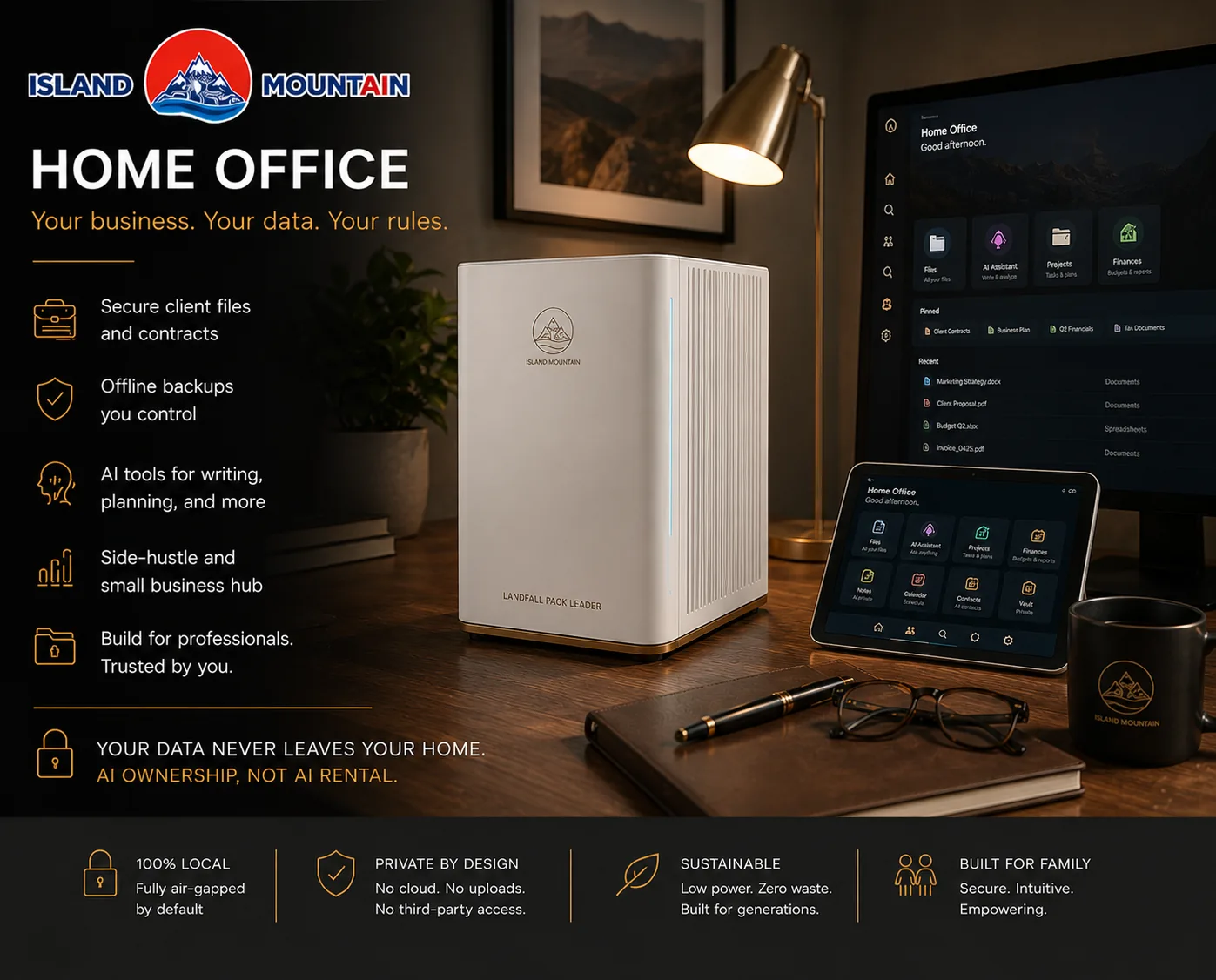
Pack Leader - Home Office
Every figure below comes from actual supplier quotes sourced May 2026. We don't hide behind projections.
| Component | Cost | % of COGS |
|---|---|---|
| 2x NVIDIA H100 80GB PCIe (refurb) | $66,000 | 78.3% |
| Supermicro 4U GPU Chassis | $7,987 | 9.5% |
| 512GB DDR4-3200 ECC (8x64GB) | $4,000 | 4.7% |
| AMD EPYC 7413 24c/48t | $1,375 | 1.6% |
| Enterprise NVMe Storage (5.76TB) | $1,391 | 1.7% |
| Redundant 2000W PSU | $475 | 0.6% |
| Cables, rails, misc | $300 | 0.4% |
| Assembly + Configuration | $1,500 | 1.8% |
| 72-hour Burn-in Testing | $500 | 0.6% |
| Packaging + Freight | $750 | 0.9% |
| TOTAL COGS | $84,278 | 100% |
GPUs are 78.3% of total cost. A $5,000 reduction in per-GPU sourcing cost equals $10,000 more margin per rack. This single line item determines whether the business makes money or loses it.
GPUs are 78.3% of total cost. A $5,000 reduction in per-GPU sourcing equals $10,000 more margin per rack. This single line item is the entire business model. It's also the competitive moat: the company that locks sub-$27K H100 supply from enterprise refurb channels first wins.
At current average secondary market prices, unit economics are negative. At bulk relationship pricing through enterprise refurb channels - which the seed capital enables us to access - margin is 24 to 33%. The raise exists to capitalize on a supply window that's open right now and won't stay open. Hyperscalers are upgrading from H100 to Blackwell. That migration is flooding the refurb market. We need to be there buying before competitors figure out this gap exists.
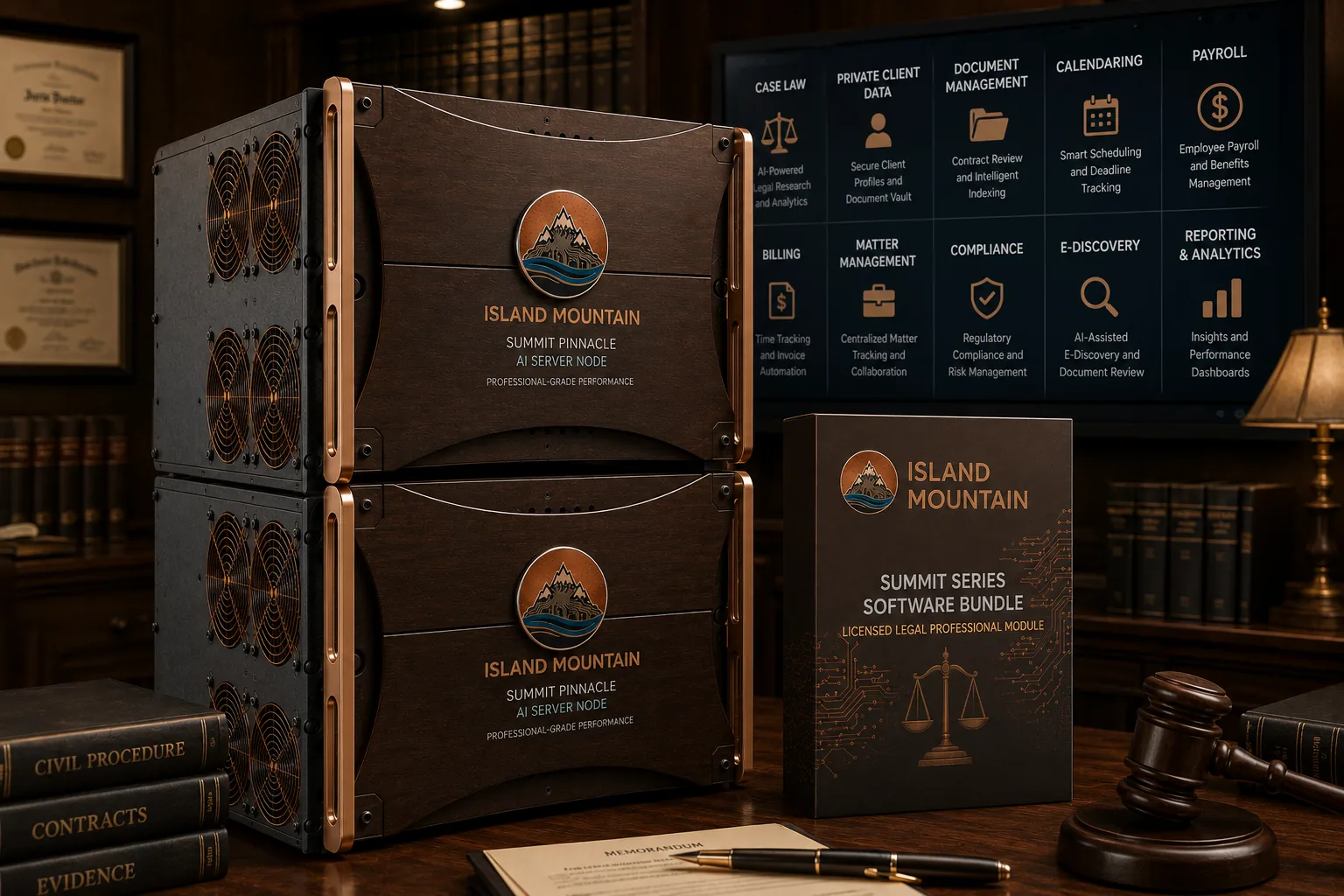
Legal Practice Deployment
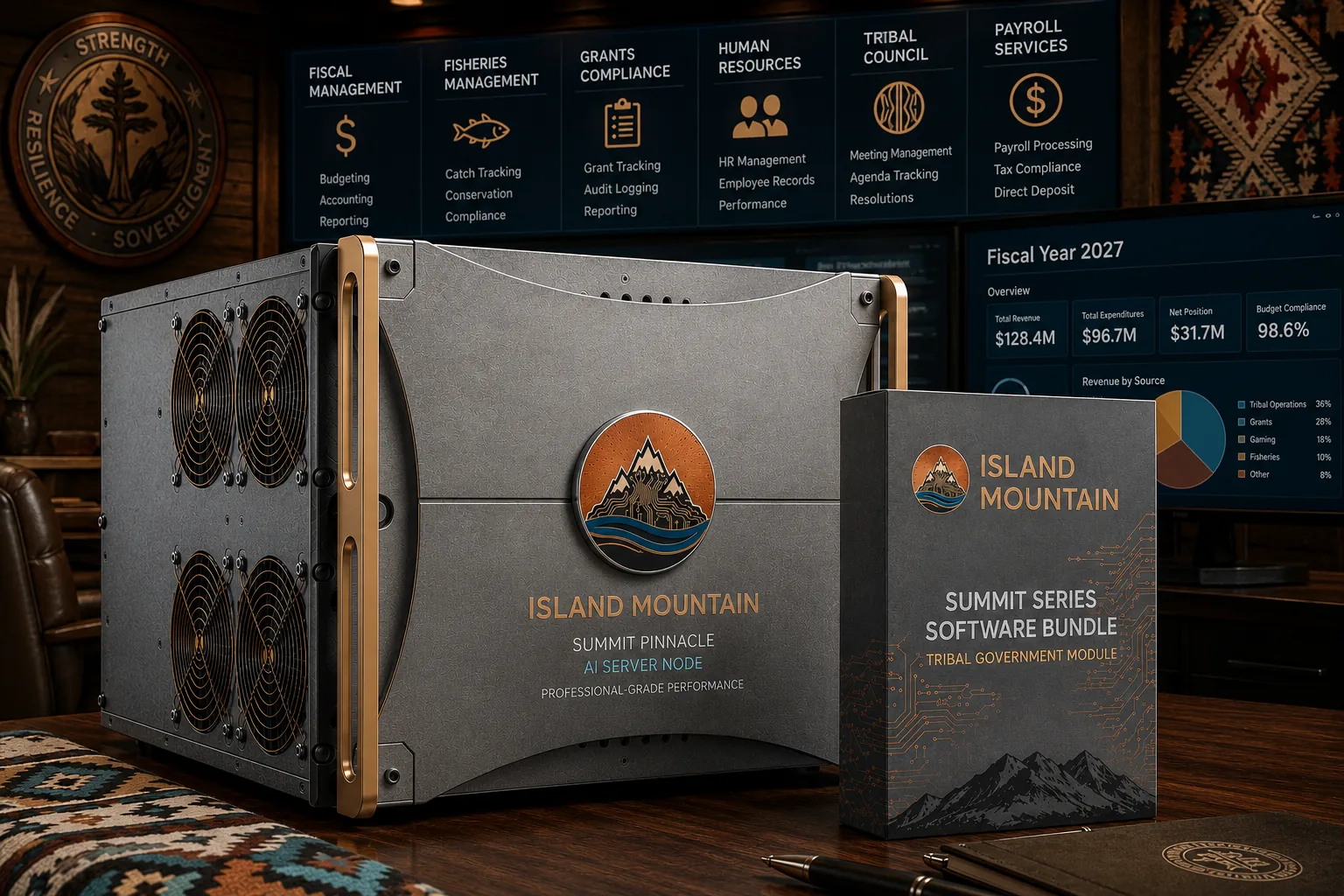
Tribal Government Deployment
$750,000 raised. Here's where every dollar goes.
| Allocation | Amount | % |
|---|---|---|
| GPU Inventory (6x H100 80GB PCIe) | $198,000 | 26.4% |
| Non-GPU Components (3 builds) | $45,000 | 6.0% |
| Assembly Facility Setup | $25,000 | 3.3% |
| Lamprey MAI Engineering Validation | $50,000 | 6.7% |
| Operating Runway (8 months) | $280,000 | 37.3% |
| Marketing and Sales Launch | $80,000 | 10.7% |
| Legal and Incorporation | $10,000 | 1.3% |
| Working Capital Reserve | $62,000 | 8.3% |
| Total | $750,000 | 100% |
$243,000 - 32.4% of the raise - converts directly into GPU inventory. Hard assets. Active secondary market. Real resale value. Your capital doesn't evaporate into overhead.
Home AI servers for individuals and families. Three tiers: Scout (from $8,500), Ranger (from $12,000), Pack Leader (from $18,000). Same build quality and Lamprey MAI software stack as Summit Series. Air-gapped by design. The Scout buyer at $8,500 is the warm referral path to a Summit Base sale at $75K for their organization. Pre-orders now open.
Multi-rack, custom-configured air-gapped systems designed for SCIF environments, classified-adjacent defense contractors, and national government deployments. Project-based pricing starting at $400,000. Scoped after first Summit-tier defense deployment provides reference architecture and case study.
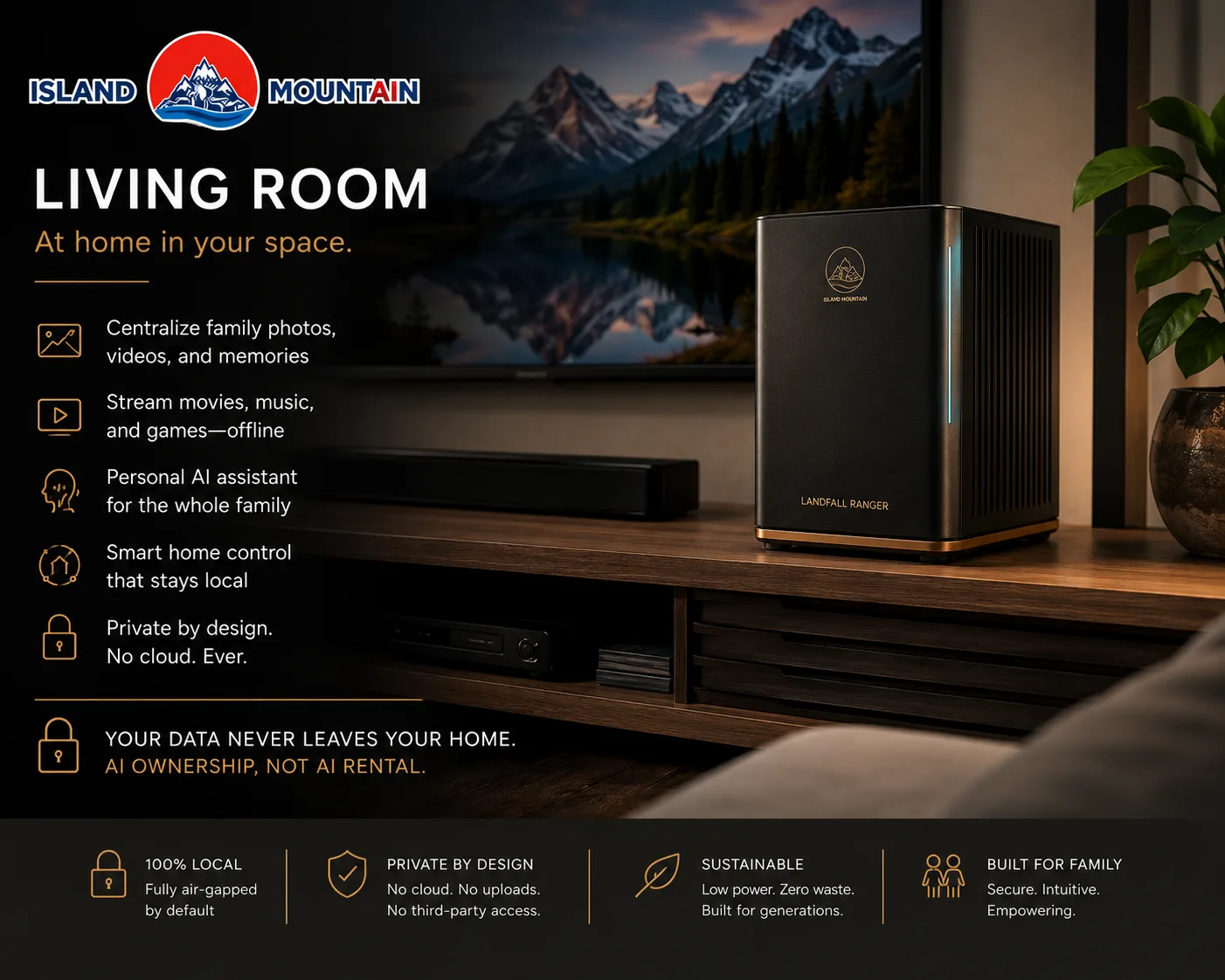
Landfall Ranger - Living Room. Family photos, AI assistant, smart home. Zero cloud dependency. Zero water waste. Roughly 40 watts idle.
All three scenarios show negative Year 1 NOI. This is normal for a hardware startup funding its first production run. Year 2 is where unit economics prove out - and where Lamprey MAI begins generating recurring update revenue alongside hardware margin.
Beyond hardware margin: Year 2 introduces Lamprey MAI update subscriptions, managed service contracts - model updates, security patching, performance monitoring, compliance documentation - as recurring monthly revenue. The hardware sale creates the relationship. The platform is where the business compounds. This is the ADT model applied to sovereign AI: the rack gets you in the door; Lamprey MAI is what keeps the relationship alive and growing.
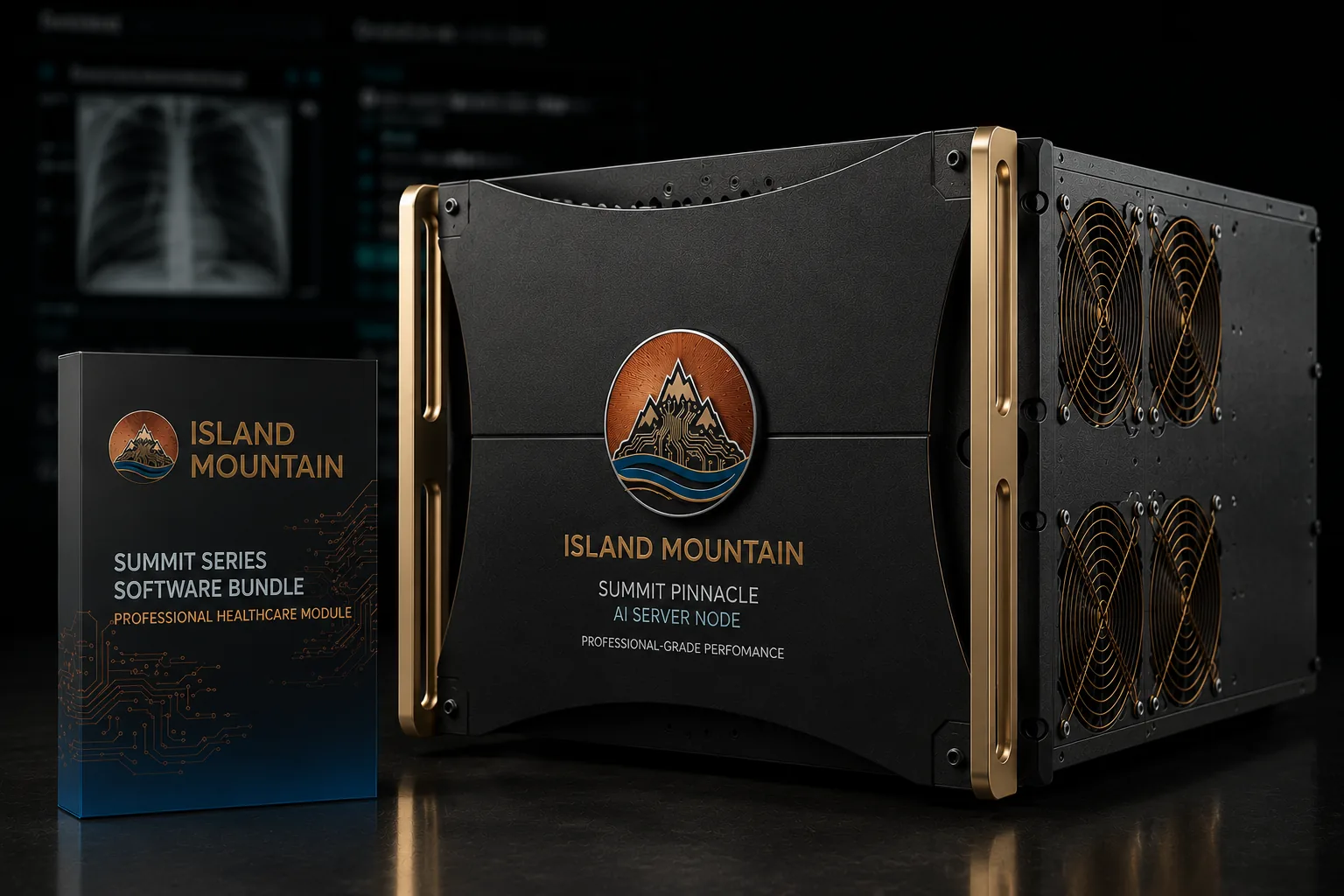
Healthcare Deployment
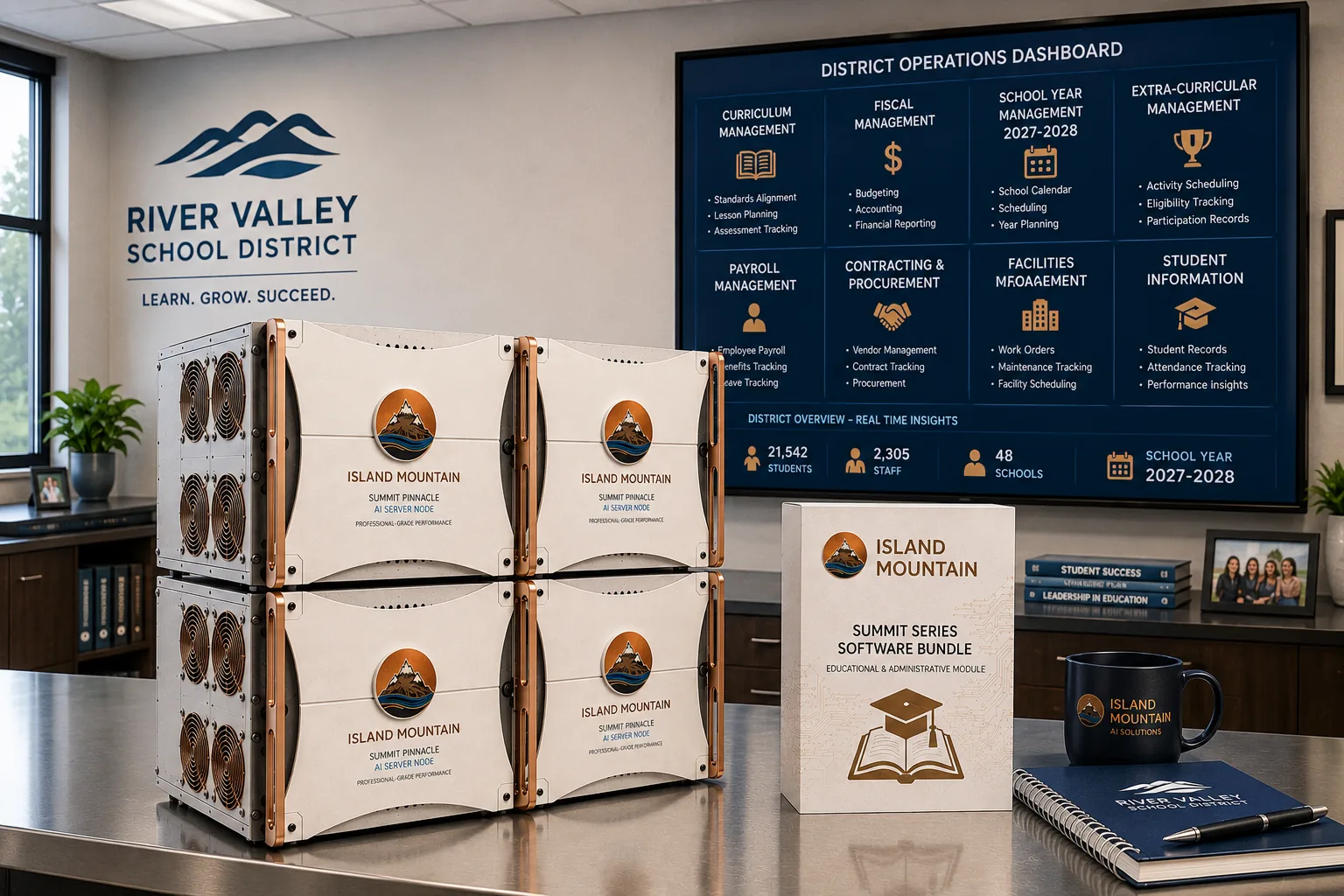
Education Deployment
Investors deserve founders who name their own risks. Here are ours.
Zero revenue. No shipped units. This round funds the transition from development to market delivery. First unit target is 10 weeks post-close.
If H100 secondary market prices rise instead of fall, margins compress or go negative. Mitigation: Price-lock clauses with buyers, 14-day quote windows, working capital reserve for opportunistic purchasing when prices dip.
Running Summit enterprise and Landfall consumer simultaneously requires rigid operational focus to prevent resource fragmentation. Mitigation: Summit is the revenue priority. Landfall operates on pre-order deposits that fund their own build queue.
Software is in final validation. Interface layer and system prompt architecture in testing now. Mitigation: Hardware ships with Lamprey MAI at current capability; the platform evolves in parallel with commercial operations, not as a prerequisite to them.
Two co-founders. Hardware builds depend on John; sales pipeline depends on Basho. Mitigation: First hire is an assembly technician. SOPs documented alongside first builds. Neither founder is a single point of failure for survival.
Dell, HPE, or a funded startup could enter this exact price range. Mitigation: Speed to market. Supplier relationships are the moat. In regulated verticals, customer trust and compliance documentation track record matter more than brand recognition.
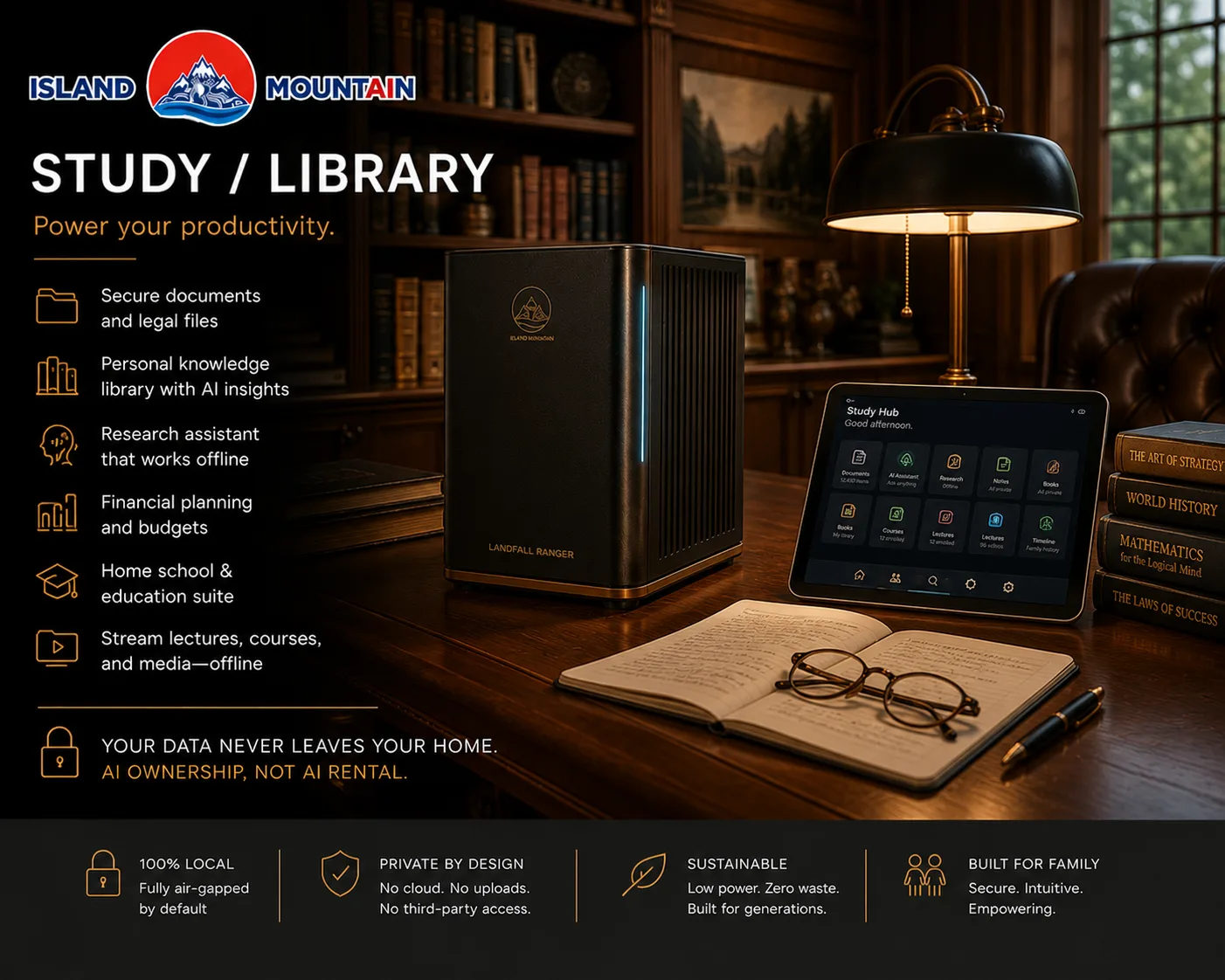
Landfall Ranger - Study and Library. Secure documents, private research, financial planning. No cloud. No uploads. No third-party access.
25 years of knowledge and experience with GPU hardware markets, enterprise server architectures, and the regulatory compliance landscape driving demand for on-premise AI. Built the Island Mountain product line, financial model, and supplier network from scratch.
Proven project manager and technical writer with direct relationships across tribal governments, defense contractors, and research institutions in the Pacific Northwest. Brings procurement fluency, operational depth, and intimate knowledge of the compliance, connectivity, and sovereignty pressures driving demand for on-premise AI. Architect of the Lamprey MAI interface layer and platform vision.
Two-person founding team. Capital funds the first full-time technical hire - an assembly technician - and operating runway. Second technician hired from revenue, not from the seed round.
This is a real conversation, not a pitch deck exercise. We'll share the full financial model, walk through supplier quotes, answer hard questions, and discuss whether this fits your thesis. The full BOM, data governance architecture, and Lamprey MAI technical overview are ready to share under NDA or on an open call - your preference.
Or call directly: 1-801-609-1130